

 View all
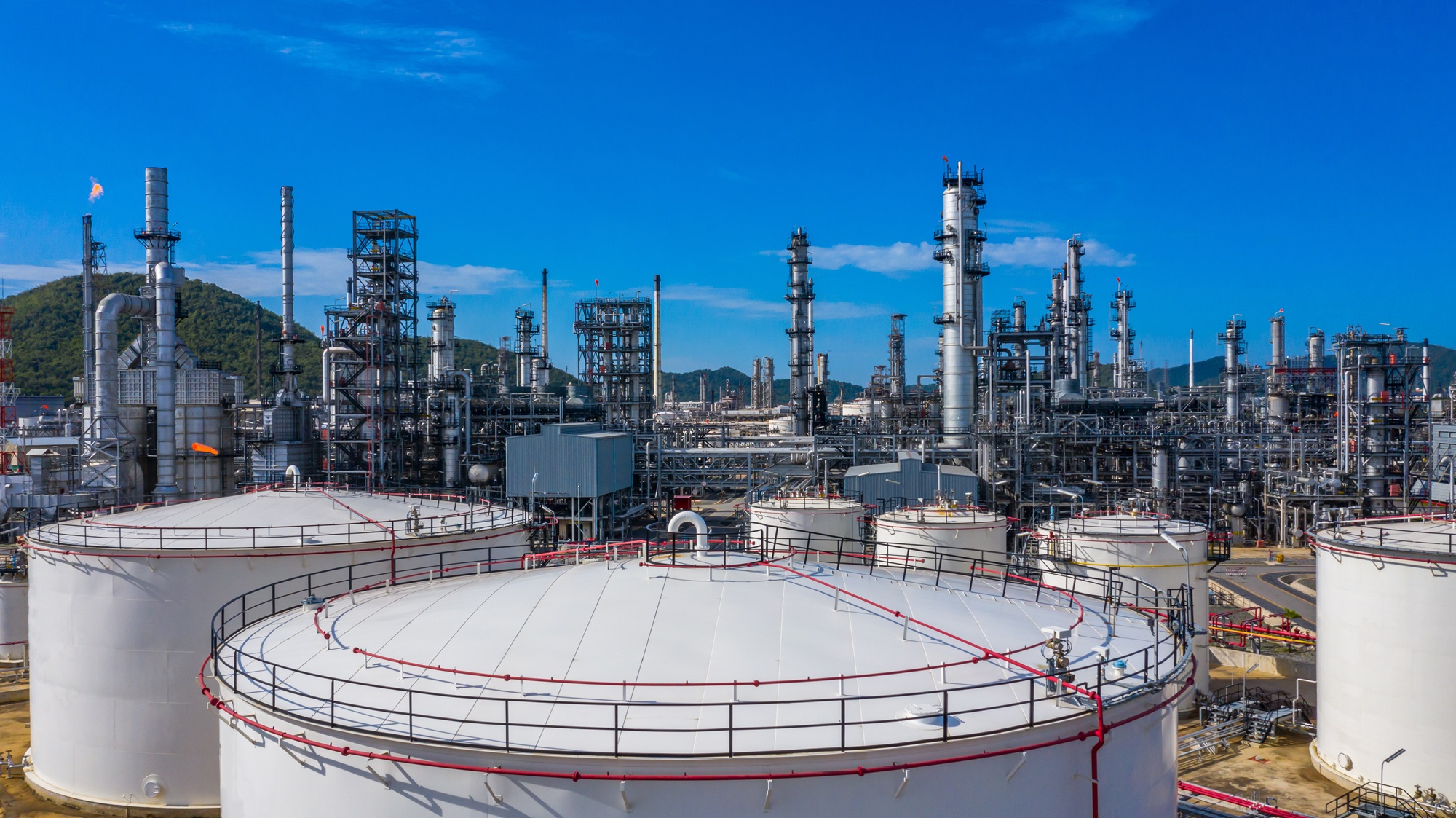
The EU Methane Regulation (EU) 2024/1787 European Union (2024) has become one of the most closely watched climate-related regulations affecting the global energy sector. Designed to improve methane emissions transparency and drive emissions reductions across oil, gas, and coal value chains, the Regulation also introduces requirements that extend beyond the EU's borders, creating new expectations for organizations that export fossil fuels into the European market.
Recent developments have added a new dimension to the compliance landscape. Following months of discussions around implementation challenges, verification readiness, and energy security concerns, the European Commission has announced plans to delay the Regulation's import-related requirements by one year. Originally scheduled to take effect on 1 January 2027, the import obligations are now expected to be postponed to allow additional time for implementation.
However, EU officials have made it clear that this is not a withdrawal of the Regulation or a reduction in its ambition. The objectives, requirements, and direction of travel remain unchanged.
For organizations involved in producing, transporting, trading, or importing fossil fuels into the EU, the key message is simple: the timeline may be shifting, but preparation should continue.
What is the EU Methane regulation?
The EU Methane Regulation is intended to reduce methane emissions associated with the energy sector while improving the quality, consistency, and transparency of methane emissions data.
Methane is one of the most significant greenhouse gases contributing to climate change, and emissions from oil, gas, and coal operations have become an increasing focus of governments, regulators, investors, and stakeholders worldwide. The Regulation establishes requirements related to monitoring, reporting, verification, leak detection, and emissions management, while also introducing obligations for imported fossil fuels entering the European market.
The Regulation is particularly significant because it seeks to improve transparency across global energy supply chains, not just within the European Union itself.
What has changed?
The most significant recent development is the announcement that the European Commission plans to postpone the implementation of the Regulation's import-related requirements by one year. The proposed delay follows concerns raised by EU Member States, energy companies, and exporting countries regarding compliance readiness, verification frameworks, and potential impacts on energy security and fuel supply.
Industry stakeholders have highlighted challenges associated with preparing supply chains, gathering the required methane emissions information, and establishing mechanisms needed to support compliance and verification activities. These concerns contributed to growing calls for additional implementation time.
The proposed delay is intended to address these practical implementation challenges while preserving the Regulation's long-term objectives.
What has not changed?
While the implementation timeline may change, the underlying objectives of the Regulation remain firmly in place.
European policymakers have emphasized that the delay should not be interpreted as a step back from methane reduction ambitions. The Regulation continues to support greater transparency, accountability, and emissions management throughout fossil fuel supply chains. EU officials have specifically stated that they intend to maintain the Regulation's environmental goals and eventual implementation.
In practical terms, organizations should expect methane reporting, transparency, and verification expectations to remain central components of future compliance requirements.
The delay changes the timing, not the destination.
Why organizations should continue preparing
For many organizations, the additional year provides an opportunity rather than a reason to postpone action.
Establishing robust methane management processes often requires significant effort across operations, suppliers, data systems, and governance frameworks. Organizations may need to review existing monitoring practices, improve data collection methods, engage suppliers, strengthen internal controls, and assess readiness for future verification activities.
Waiting for final implementation dates before taking action could create unnecessary compliance risks and place additional pressure on resources as deadlines approach.
Instead, organizations can use the additional preparation period to:
- Evaluate existing methane emissions data and reporting processes
- Improve data quality, completeness, and traceability
- Strengthen supplier engagement and information-sharing practices
- Develop governance processes to support regulatory reporting
- Identify and address compliance gaps
- Prepare for future assurance and verification activities
- Build internal knowledge and capabilities related to methane management
Organizations that use this time strategically are likely to be in a stronger position once the requirements take effect.
The growing importance of verification
One of the challenges repeatedly cited throughout discussions surrounding the Regulation has been verification readiness.
As methane-related data becomes increasingly important for regulatory compliance, investors, customers, and stakeholders will expect organizations to demonstrate that reported information is accurate, reliable, and supported by credible evidence.
Independent verification can play an important role in building confidence in methane emissions data and demonstrating compliance with regulatory expectations.
Although implementation timelines may be evolving, the need for robust data management systems, documented methodologies, clear governance structures, and verification-ready processes has not changed.
Organizations that begin preparing these foundations now will be better positioned to respond efficiently once requirements become fully operational.
Why the delay should be treated as a readiness opportunity
There is a significant difference between a delayed requirement and a cancelled requirement.
The proposed one-year postponement provides organizations with valuable additional time to strengthen their readiness, but it does not reduce future expectations. In many cases, organizations that begin preparing early can realize benefits beyond regulatory compliance, including improved operational visibility, stronger data quality, enhanced stakeholder confidence, and reduced implementation risk.
Rather than viewing the delay as a pause button, organizations should view it as a preparation window.
The businesses that use this period to improve systems, engage stakeholders, and strengthen methane emissions management will likely find themselves in a stronger position when compliance obligations eventually take effect.
Looking ahead
The proposed delay to the EU Methane Regulation's import-related requirements reflects implementation realities and industry concerns, but it does not alter the Regulation's long-term direction. Policymakers continue to support methane reduction, improved transparency, and enhanced accountability across global energy supply chains.
For importers, producers, traders, and exporters, the most effective response is not to delay preparation, but to make the most of the additional time available.
Organizations that focus now on strengthening methane emissions reporting, improving data quality, and preparing for future verification requirements will be better positioned to demonstrate compliance and confidence when the Regulation enters its next phase.
Frequently Asked Questions
Has the EU Methane Regulation been delayed?
The European Commission has announced plans to postpone the implementation of the Regulation's import-related requirements by one year. While the proposal changes the expected timeline, the Regulation itself remains in place and its objectives remain unchanged.
Why is the delay being proposed?
The proposed delay follows concerns around implementation readiness, verification mechanisms, compliance challenges, and energy security considerations raised by governments and industry stakeholders.
Does the delay change the Regulation's objectives?
No. EU officials have stated that the delay is not intended to weaken methane reduction ambitions or change the Regulation's long-term goals.
Should organizations pause their preparation efforts?
No. Organizations should continue strengthening methane monitoring, reporting, governance, and supply-chain transparency processes so they are prepared when implementation requirements take effect.
Will verification still be important?
Yes. Verification is expected to remain a key mechanism for demonstrating the reliability and credibility of methane emissions information used for compliance and reporting purposes.
How can organizations use the additional time effectively?
Organizations can improve methane data quality, evaluate reporting systems, engage suppliers, strengthen governance processes, identify compliance gaps, and prepare for future assurance and verification requirements.
ERM CVS provides independent assurance, verification, and certification services across the energy sector. As an independent third party, we verify methane emissions data and compliance evidence against applicable requirements and industry standards, including OGMP 2.0, and support organizations through readiness assessments and pre-assurance reviews. These activities can help identify gaps in data, processes, and controls, allowing organizations to strengthen their reporting and prepare for future verification requirements. The proposed delay provides additional time to build confidence in your methane data and verification readiness before the Regulation's import requirements come into force.
